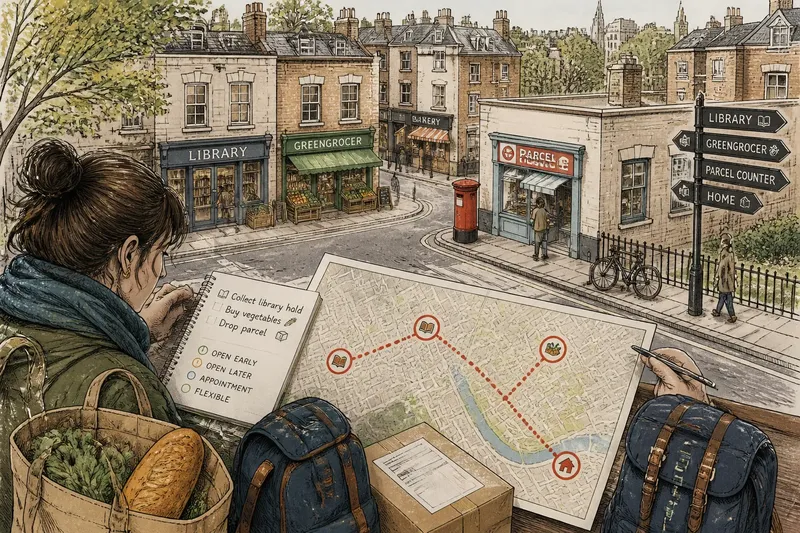
How to Reuse an Old Transit Map as a City Keepsake
Reuse an old transit map as a thoughtful city keepsake: choose a format, protect useful details and turn familiar routes into personal, readable art.
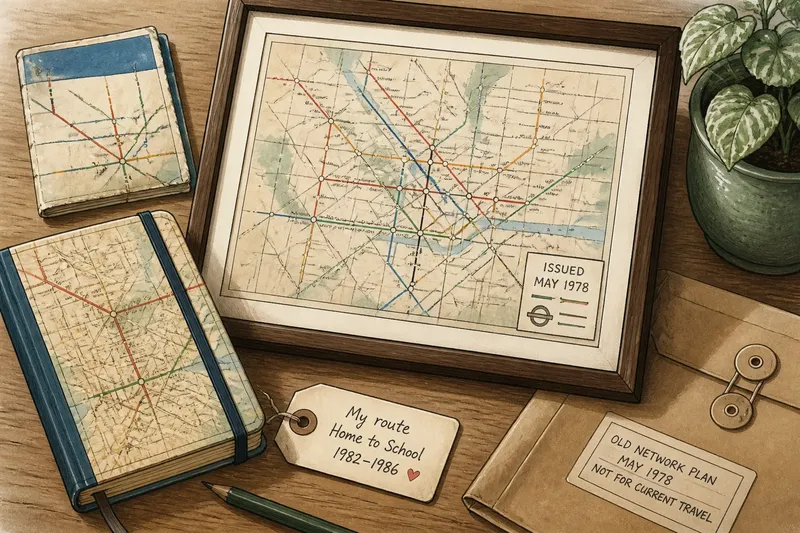
The common mistake with an old transit map is to treat it as either rubbish or decoration before deciding what it can still do. Reusing a transit map as a city keepsake preserves its record of the places and connections that mattered to you, but careless cutting or covering can erase the very details that make it meaningful.
A retired pocket map can become a framed print, a travel journal cover or a small piece of personal history. The best approach begins with the map’s condition and purpose: keep its network legible, make any added marks reversible where possible, and label an outdated route plan so nobody mistakes it for current travel information.
Choose a keepsake form that suits the map
Before reaching for scissors, decide what the finished object should preserve. A full-sheet display keeps the network’s overall shape; a journal cover can focus on a neighbourhood or line; a folded map stored in a memory box retains its original form with little alteration.
Consider these options:
- If the paper is intact and the full network matters, then mount the unfolded map behind a removable mat; if it is fragile, store it flat in an archival folder instead.
- If one route or district carries the memory, then use a photocopy or scan for a cropped display; if you only have the original, avoid cutting until you have decided which station names and junctions must remain.
- If the map has a strong fold pattern, then preserve the folds in a labelled envelope or display it in a shallow frame; if the creases are splitting, support the sheet rather than repeatedly opening it.
- If you want a writing surface for a travel journal, then attach a copy to the cover; if the original has historical or personal value, leave it unglued and use a sleeve or corner mounts.
- If the map includes a date or service note, then keep that information visible or add a separate label; if the date is missing, mark the map as undated rather than guessing when it was current.
- If the sheet includes your handwriting or other personal details, then remove or cover those details before displaying it in a shared space; if they are part of the keepsake, keep the map somewhere private.
Small choices made before altering the paper can prevent an attractive object from becoming an unreadable one.
Prepare the map without losing its useful details
Lay the sheet on a clean, dry surface and inspect its folds, edges, labels and any handwritten notes. A soft brush can lift loose dust; avoid wet cleaning or adhesive directly on the map, since inks and paper coatings vary. If the sheet is brittle, mouldy or unusually valuable, ask a paper conservator or an appropriate local archive for advice before handling it further.
For a display, choose a mount that does not force the map flat or hide its title, date and route junctions. A frame with a removable backing makes it easier to inspect or take the sheet out later. For a journal or scrapbook, work from a scan or photocopy when possible, then keep the original in a protective sleeve.
Say you have an invented, hypothetical pocket map with a torn fold, a readable date panel and a route through the neighbourhood where you once lived. You decide the map’s date and the line are the important details, so you scan the whole sheet, print a copy, and crop that copy for a journal cover without cutting the original. The resulting cover keeps the chosen route visible, while the uncropped original remains available for reading the rest of the network.
Label an old route plan so it cannot mislead
A keepsake may still be picked up by someone planning a journey. Add a discreet label such as “archival map” or “network shown as printed” on the frame backing, sleeve or separate caption, rather than writing over station names. If you know the printed date, include it; if you do not, say that the date is unknown.
Keep present-day travel decisions separate from the keepsake. Routes, station access and service arrangements can change, so use the transport operator’s current information when planning a trip. The old sheet can show how the network was represented at the time, but it should not be treated as a live guide.
What should you consider before making a map keepsake?
Can I frame a paper transit map without glue?
Yes. A frame with a removable mat or suitable corner mounts can hold the sheet without applying adhesive to its surface. If the paper is fragile or valuable, consult a paper conservator before framing.
Should I cut an old transit map into a collage?
Make a scan or photocopy first, then experiment with the copy if preserving the original matters. If the original is already damaged or has no particular value to you, still keep its date and distinctive route details visible in any arrangement.
How can I keep a keepsake map from being mistaken for a current map?
Place a clear date or “older network plan” note beside it, using a separate caption rather than writing over the map. For any actual journey, check the transport operator’s current route and access information.
What is the safest way to store a folded map?
Keep it in a clean, dry place, supported so the folds are not repeatedly strained. If the paper is brittle, avoid frequent unfolding and seek advice from a qualified paper conservator or local archive.
Keep the map’s story visible in its second use
An old transit map becomes a more considered keepsake when its new role is clear. A frame can preserve the network’s overall pattern, a copied detail can focus on one remembered route, and a labelled folder can protect a fragile original without changing it.
When you choose how to reuse a transit map, keep its date and the details that explain its meaning close at hand. A short caption naming the district, line or occasion can help someone else understand why this particular sheet still deserves a place in your home.